The blog
Practical stories about AI for schools, PrivateEdGPT for education, learning and parenting.
New York City has banned student-facing generative AI for pupils up to and including 8th grade. Los Angeles has gone further with a moratorium on student AI use on district devices. New York also paused all new education technology purchases while it rethinks how it buys. We build AI learning tools for children ages 6+, many of whom fall within the group those rules cover. The easy response would be to call the bans an overreaction. We think that would be wrong, and a bit convenient.
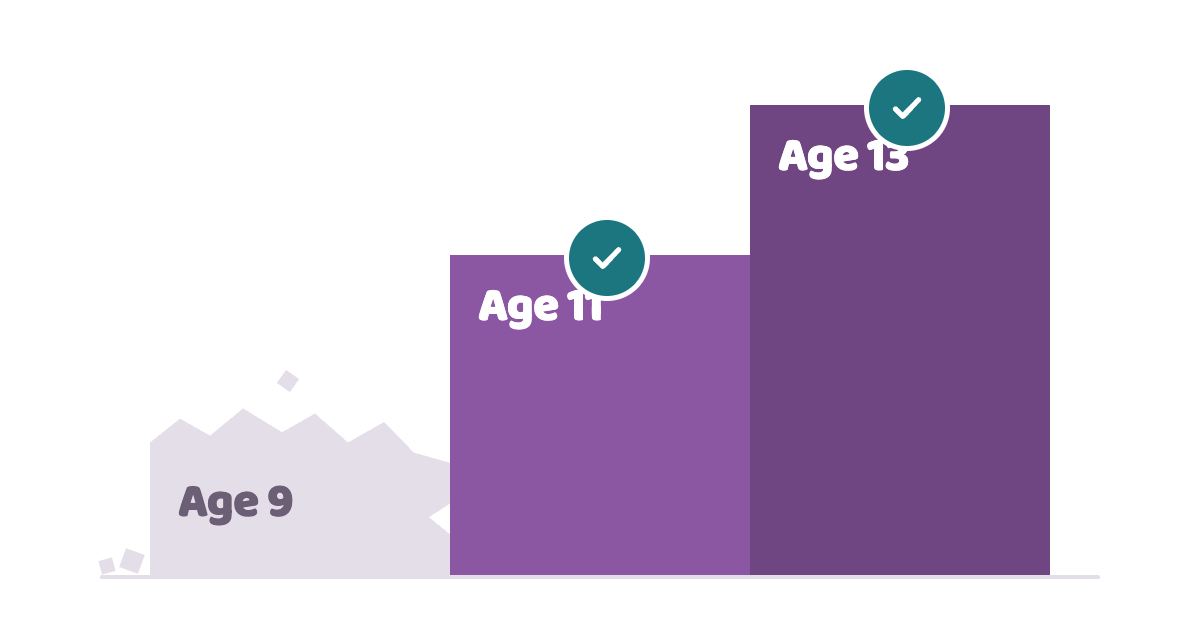
Ask an AI model to make a hard text easier and it does a decent job, up to a point. Push it down to the level of a nine year old and every model tested fell short. Guess which children need that level most.
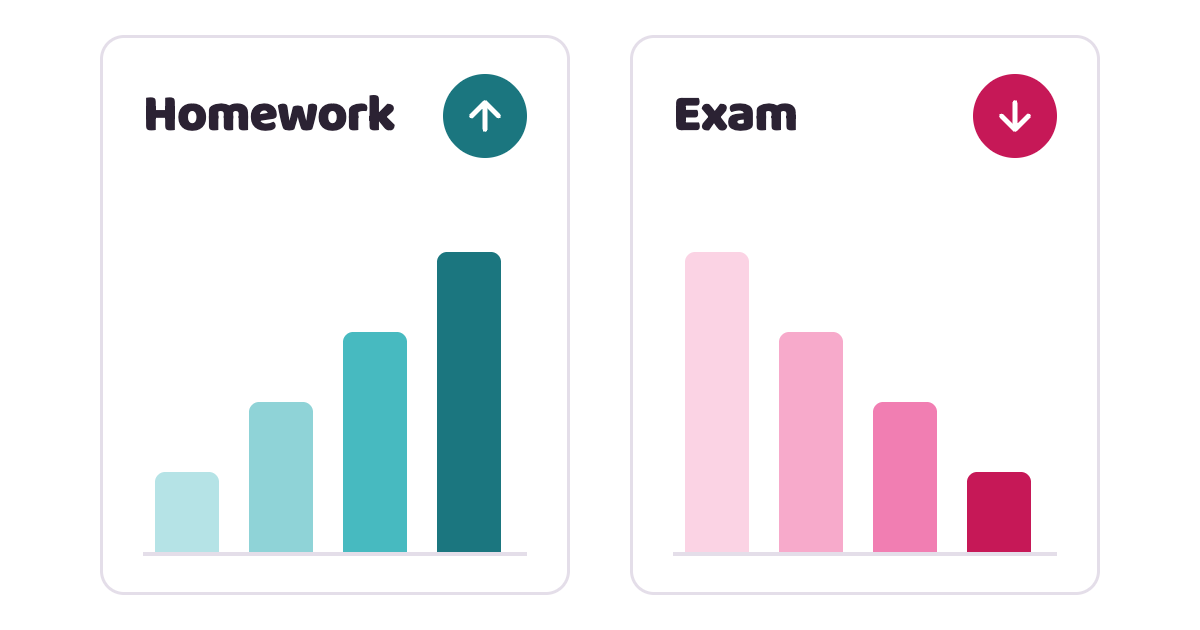
Give a student a general AI chatbot and their homework improves. Take it away and they do worse than if they had never had it. Three studies, one uncomfortable pattern.
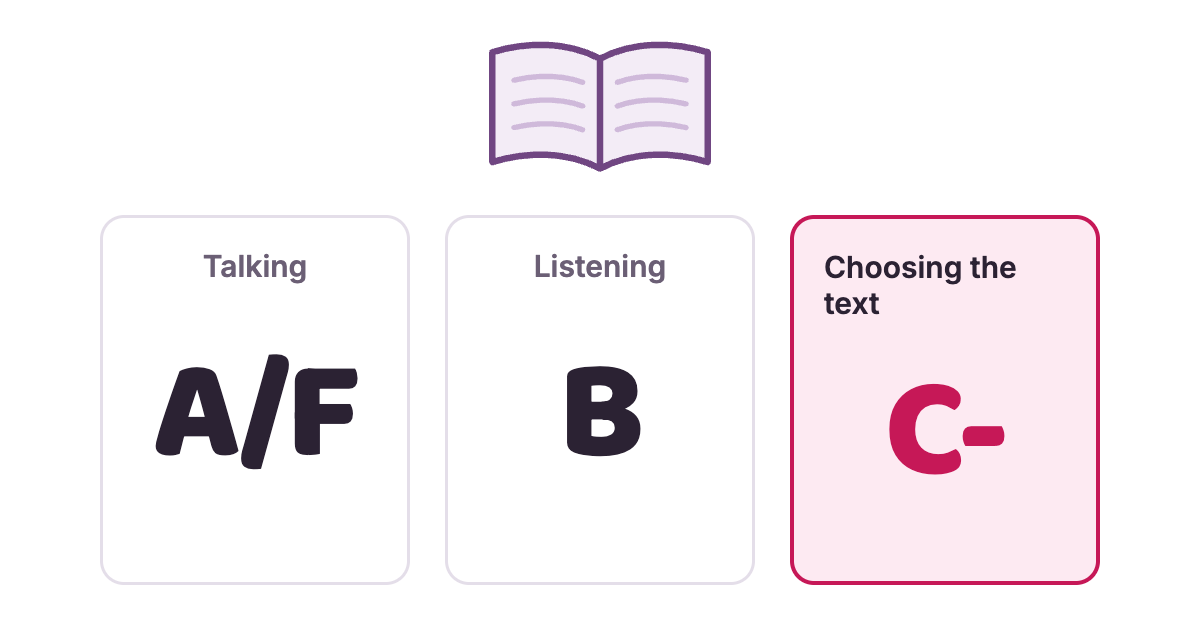
Talking about the story, listening to the child read aloud, and choosing the right text. The research on AI grades those three very differently, and the products that demo best are often the ones that score worst.
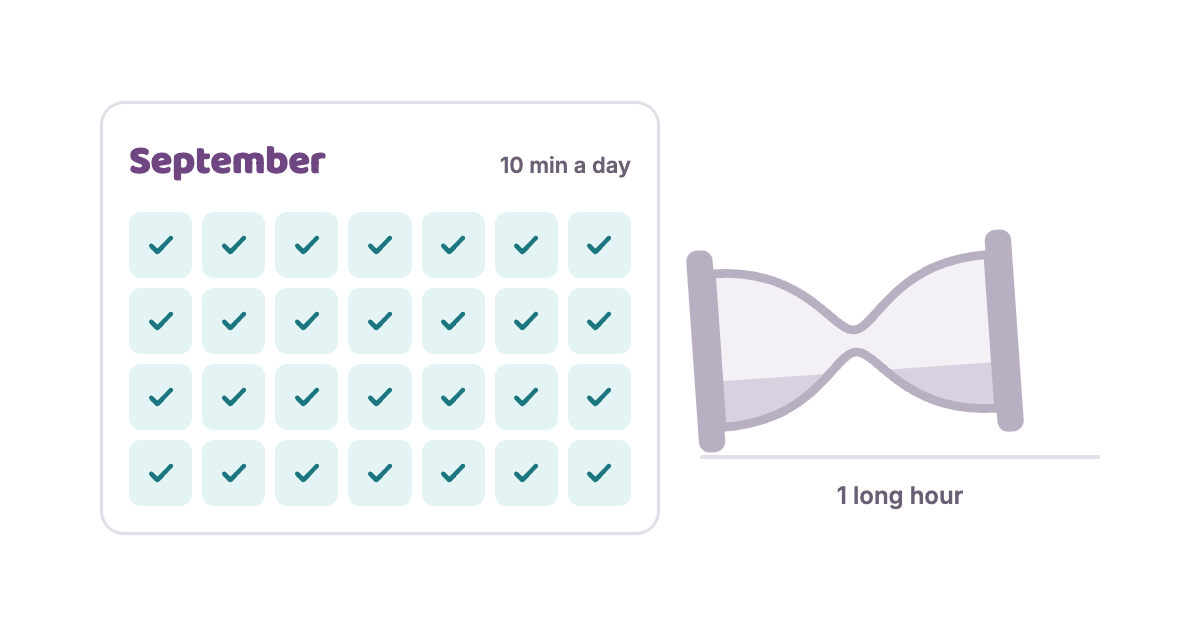
We keep saying ten minutes a day in our ads. So we checked whether that is actually true. It turns out the research has a lot to say about it, and not all of it is what you would expect.
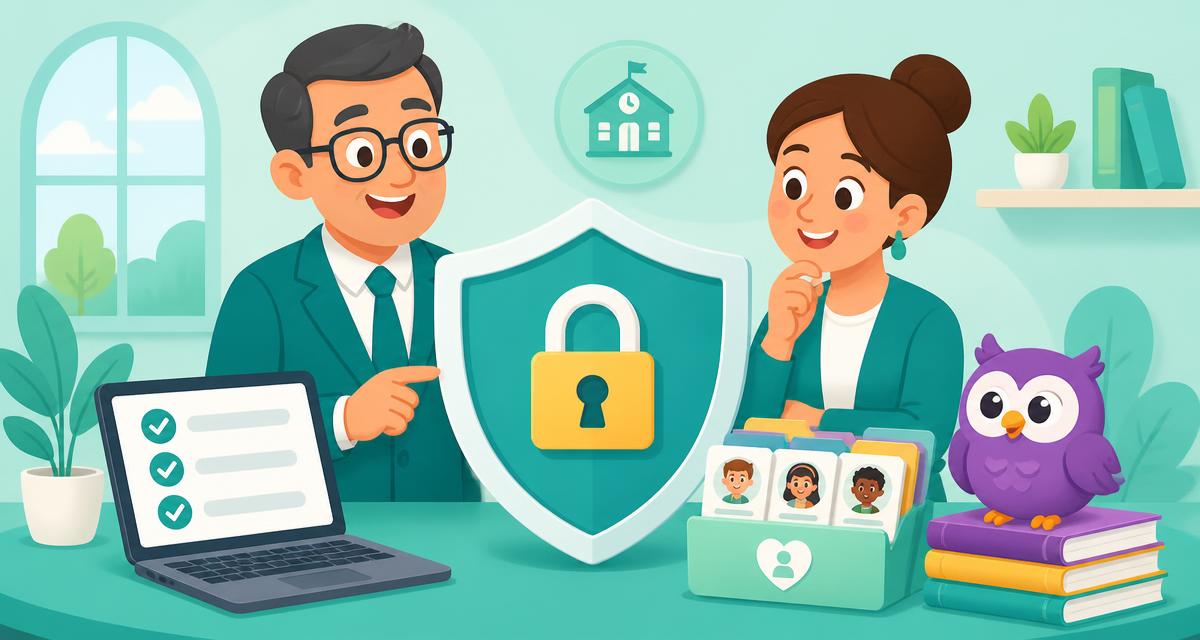
Nobody opens with a question about the AI. They open with a question about the data. Here is what they actually ask, and what a decent answer sounds like.
Four short sentences that help more than the answer does, and one habit worth dropping tonight.
Not lesson planning. The real minutes hide in the small repeated jobs nobody puts on a slide.
Forgetting is not your brain breaking. It is your brain cleaning up, and it makes room for the good stuff.
Two hours can be brilliant or awful. Here are three better questions than how long was it.
A teacher should not need video editing skills to show a class how a volcano works. BrainBite Video turns a lesson plan into a finished video, and here is how it actually works.
Everyone assumes it is the AI. It is not. It is the design system underneath, and the job change nobody warns you about.
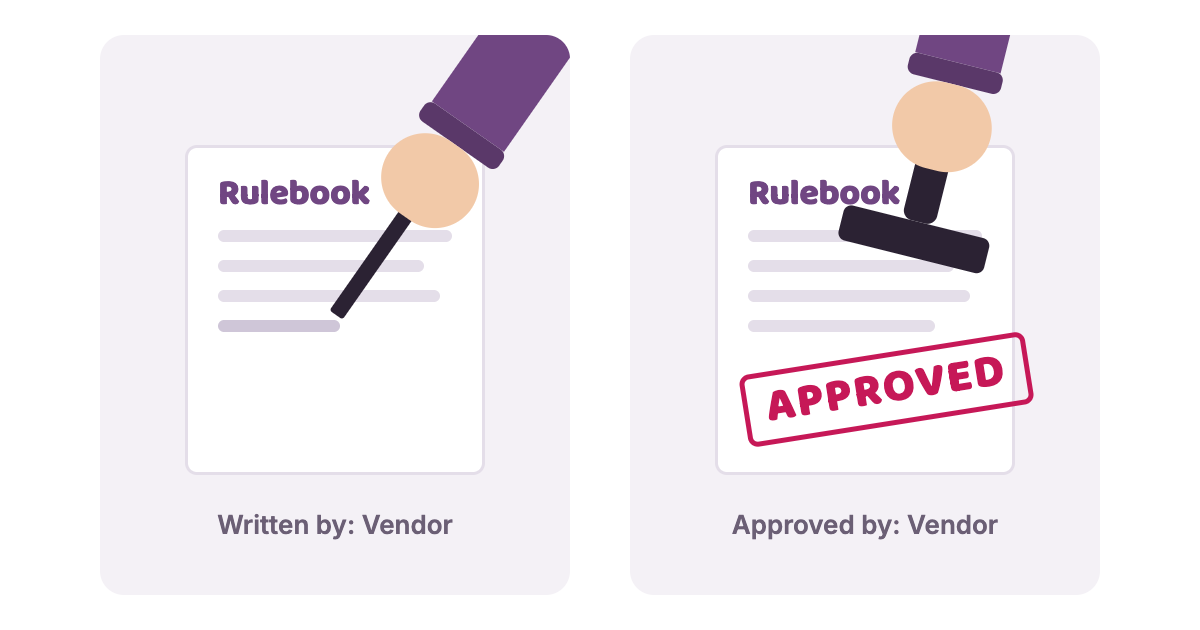
Microsoft is writing a safety standard for AI in classrooms, with the teacher unions. The principles are good. The question is what happens when the vendor writes the rulebook.
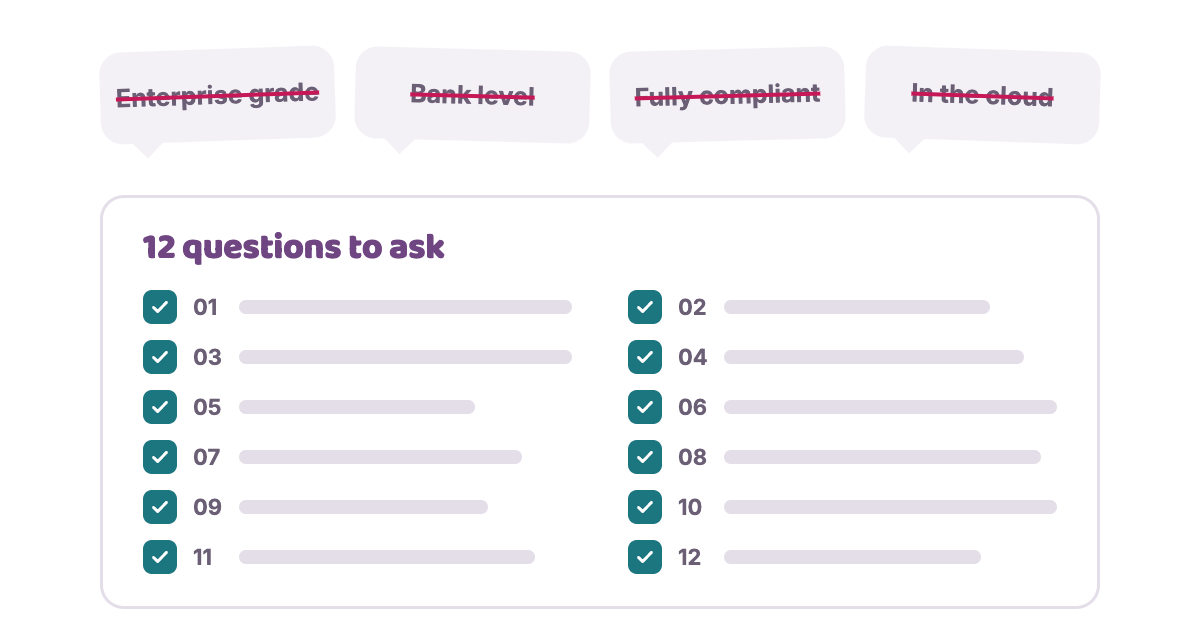
OpenAI standardises district agreements, Microsoft writes a safety standard with the unions. None of it covers a school in Utrecht. Here is the list that does.
October is Learning Differences Awareness Month. The most useful thing it teaches has nothing to do with labels.
The Netflix co-founder thinks AI tutors will match human ones within a few years. The conversation part is right. The timeline is a forecast.
Five good design principles, one impressive study, and a few questions every school should ask about evidence from a vendor.
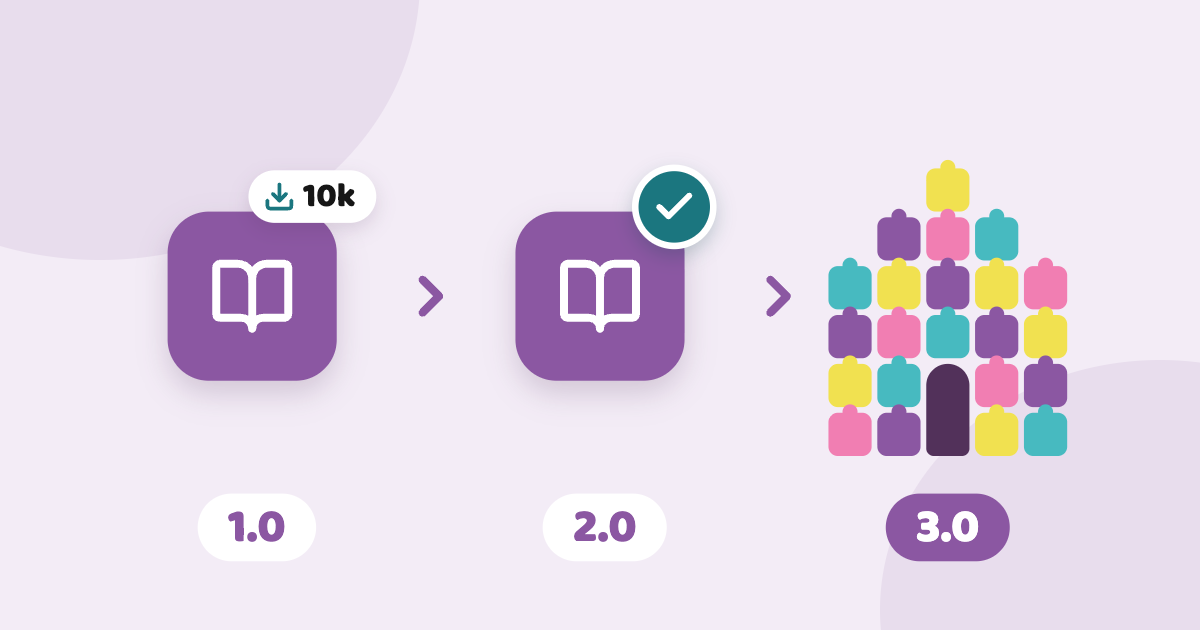
First EdTech counted downloads. Then it asked for evidence. The next step is harder: making the tools fit together.
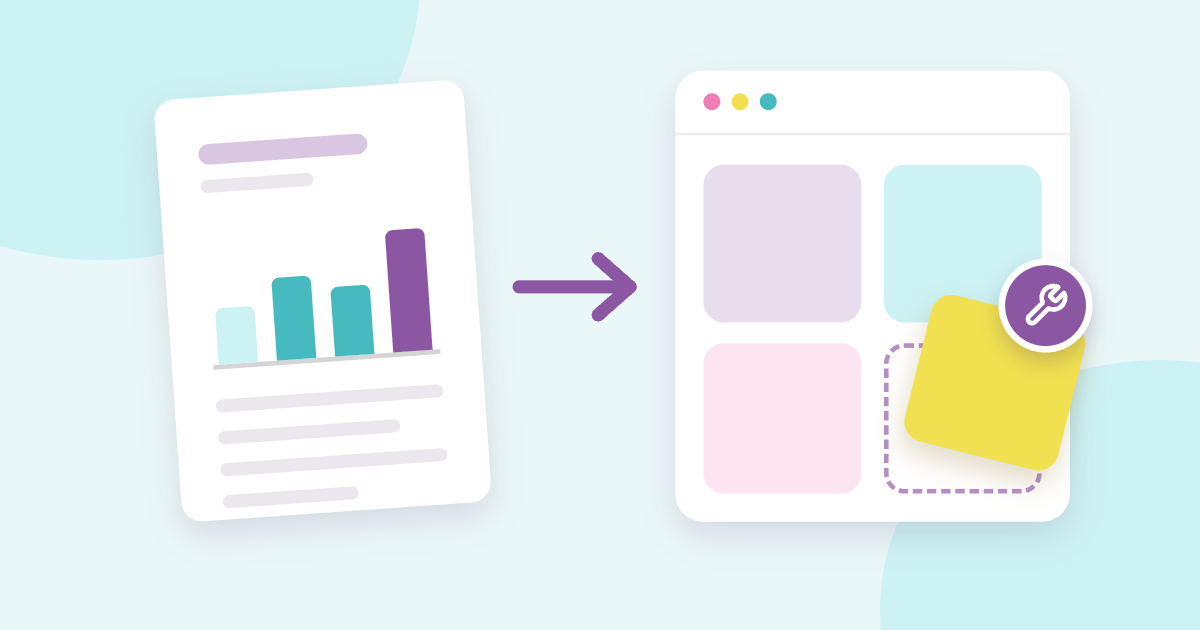
A new paper on the lowest rung of the US evidence ladder has a useful idea for every EdTech company: let the research tell you what to fix.
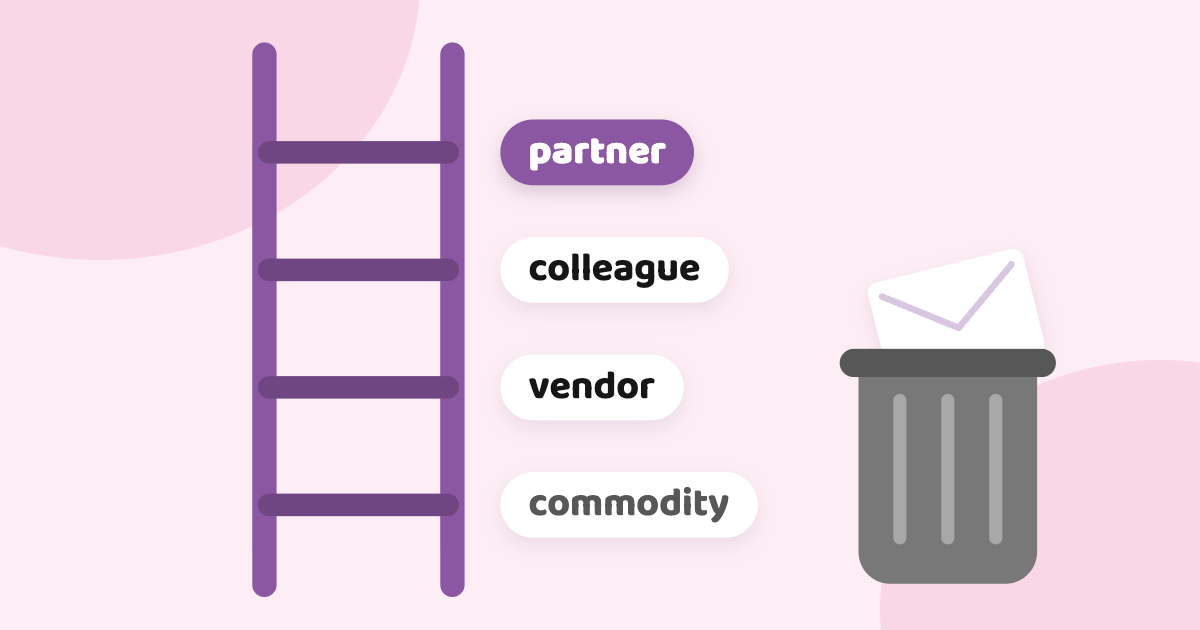
Five US district leaders explain why the cold email does not work. The lessons travel well to Dutch schools.