EdTech Insiders ran a guest post by Jacob Kantor, who has spent 19 years selling into US schools. His headline says it all: the door into the district office is not opening for cold emails. District leaders delete them fast and prefer vendors they already know. We build for Dutch schools, not American districts. But almost every lesson in the piece applies here too.
The safe choice wins
Kantor's example is Third Space Learning, which offered districts free AI maths tutoring, backed by the Gates Foundation and a Stanford and Cornell study. He took that story into more than 30 district meetings and came out with over 30 yeses to start pilots. Why? "It takes the chance out of the decision." Schools are not risk takers, and they should not be. They are responsible for children.
Schools choose the option that takes the chance out of the decision.
From commodity to partner
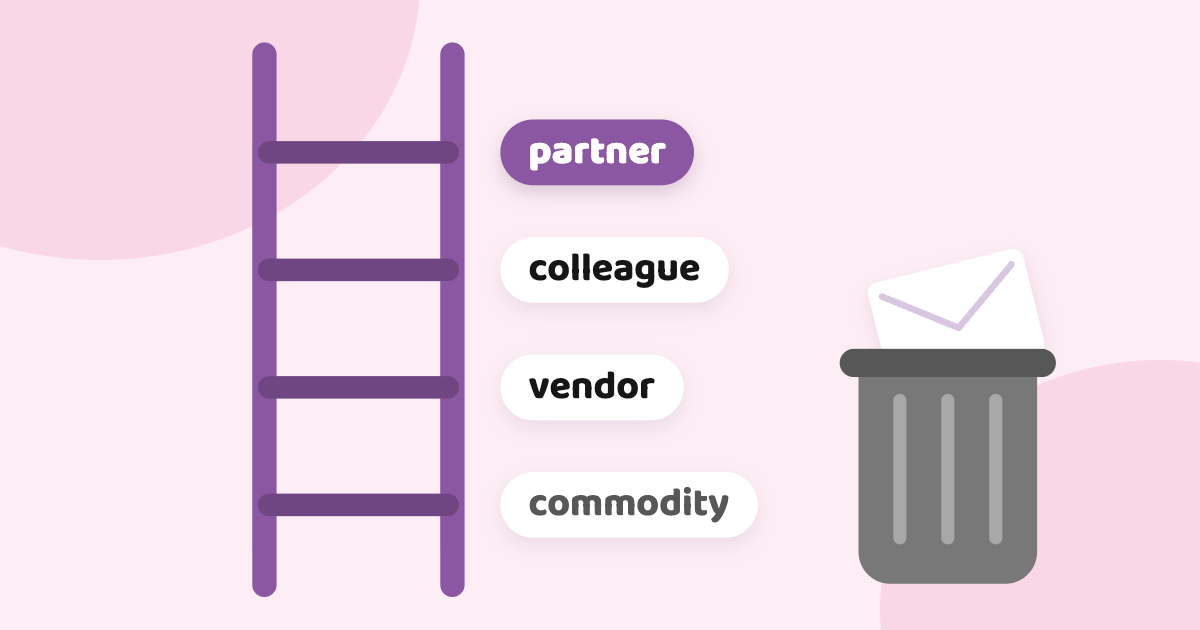
Brad Mason, a retired superintendent with 36 years in education, describes a ladder. Commodity, to vendor, to colleague, to partner. Most EdTech companies stay on the first two rungs, and wonder why the conversation never gets serious. His summary: "Trust is the currency of the work."
What the leaders actually ask for
Meet in person, and come with a warm introduction. Do your homework, one leader checks an AI summary of a vendor before every call. Lead with their problem, not your product. Bring short demo videos of about two minutes, a data protection agreement and solid security. Show results from schools like theirs. And be patient. The question Kantor says every leader is silently asking: "Are you here for us, or would this pitch work anywhere?"
The Dutch version
Swap district for school board and the list barely changes. A Dutch school wants to know where pupil data goes, who processes it, and what the processing agreement says. It wants a reference from a school it knows. It wants to see the product working, not hear about it. And it wants to know you will still be there next year.
What we take from it
The article ends with advice that is uncomfortable for startups: if you do not yet have efficacy data, reference schools or proof that the product fits, build those first, before you start selling. We think that is right. A cold email asks a school to take a chance. The job is to make the chance smaller.
Take these with you
- 1Schools choose the option that takes the chance out of the decision.
- 2The ladder goes commodity, vendor, colleague, partner.
- 3Lead with their problem, bring a data agreement, show results from similar schools.
- 4Build references and evidence before you sell, not after.