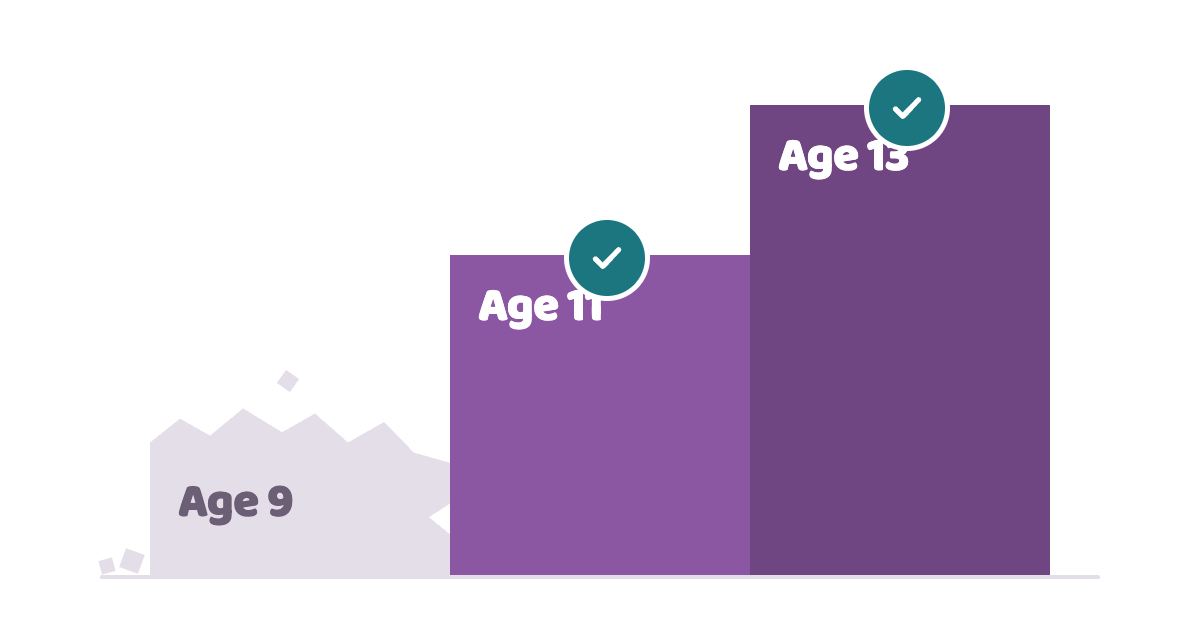
New York City has banned student-facing generative AI for pupils up to and including US grade 8, around age 14. Los Angeles has gone further with a moratorium on student AI use on district devices. New York also paused all new education technology purchases while it rethinks how it buys. We build AI learning tools for children ages 6+, many of whom fall within the group those rules cover. The easy response would be to call the bans an overreaction. We think that would be wrong, and a bit convenient.
The case for the ban is stronger than it looks
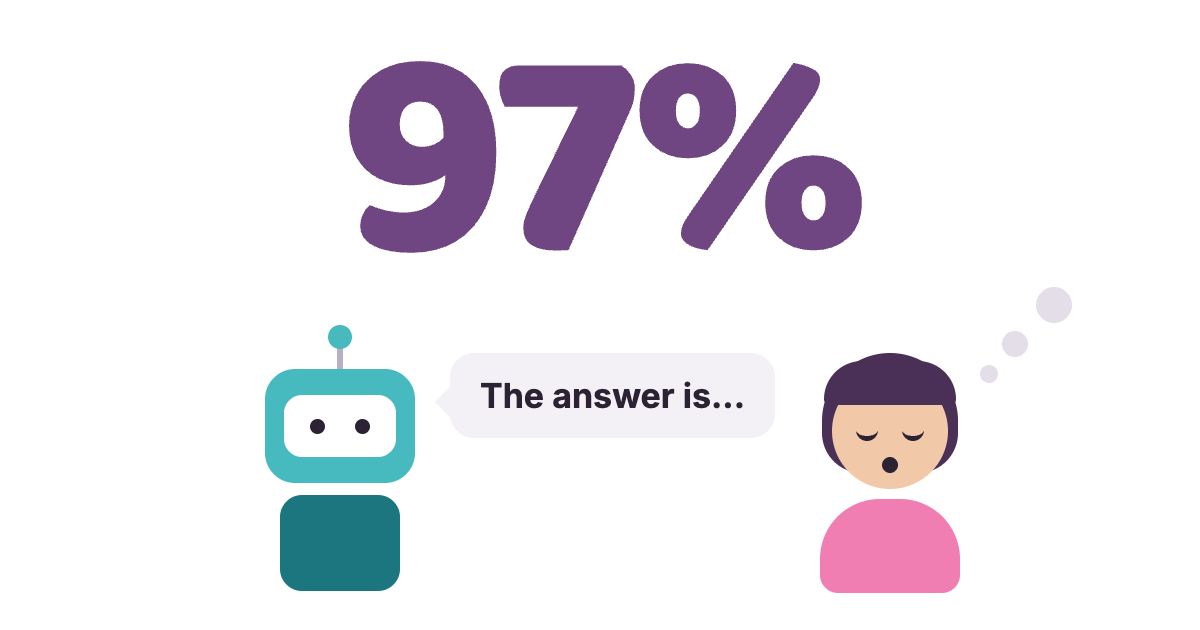
It is tempting to see this as fear of new technology. The evidence says otherwise. In a randomised experiment with nearly 1,000 maths students, a general AI chatbot raised practice scores by 48 percent and then left students 17 percent worse on an unaided test than classmates who never had it. An analysis of research on 27,000 students in China found the same pattern: homework up 18 percent, exams down 20 percent. And in a trial with English teenagers, students who studied with a chatbot rated it more helpful while learning less than students who simply took notes. If you run a school system and that is what you read, pausing everything is not irrational. It is the cautious thing to do while you work out what is going on.
New York banned student-facing generative AI up to US grade 8, and Los Angeles went further.
What a ban cannot do
The trouble is that a ban treats every AI tool as the same thing. It cannot tell the difference between a general chatbot that hands a ten-year-old the answer and a tool designed to ask the child questions, withhold the answer and keep the child doing the thinking. The research makes that difference very clear. In the same maths experiment, a guardrailed tutor that gave hints instead of answers did not cause the damage the general chatbot did. In a trial with young children, a chatbot that asked questions while reading a story worked as well as a trained adult, while a chatbot that only read the story aloud did worst of all. Same technology, opposite results. A ban does not see that. It stops both.
Banning is what you do when you cannot yet decide
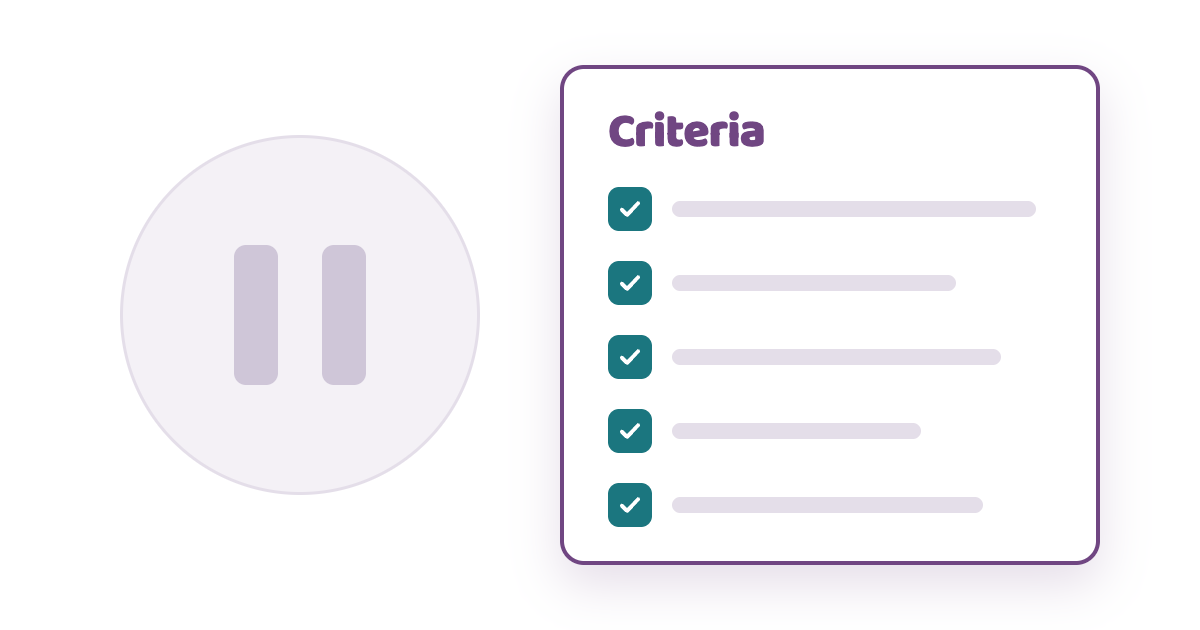
That is not a criticism. Sometimes you genuinely cannot decide yet, and stopping is the responsible move. But a ban is a pause button, not a policy. At some point a school has to be able to say yes to some tools and no to others, and on what grounds. The United States Department of Education has now published guidance that points in exactly that direction. It asks schools to evaluate, for every tool, what learning problem it solves, who it is for, how long it should be used, and what evidence shows it improves learning. And to drop tools that repeatedly fail to deliver. Those are good questions. They are also much harder to answer than yes or no to AI.
What we think should replace it
Not a free-for-all. Criteria. Something like this: Does the tool keep the child doing the thinking, or does it do the thinking for them? Does it ask the child questions, or mostly answer them? Is there a teacher or parent who can see what happened and step in? Is the data handled in a way the school can actually verify? And is there any evidence it helps, or at least an honest statement that the evidence does not exist yet? A tool that cannot answer those should not be in a classroom, ban or no ban. A tool that can deserves to be judged on the answers rather than on the label.
Why we are saying this out loud
Because the easy position for a company like ours would be to argue that bans are silly and AI is great. We do not believe that. A lot of AI in education is currently doing children more harm than good, and the people banning it are reacting to something real. We would rather be held to strict criteria than be let off because a ban eventually gets lifted. If the rules get stricter and clearer, good. That is the only version of this market worth building for.
Take these with you
- 1New York banned student-facing generative AI up to US grade 8, and Los Angeles went further.
- 2The evidence behind the caution is real: general chatbots can raise homework scores and lower test scores.
- 3A ban cannot tell a chatbot that hands out answers from a tool designed to make children think.
- 4A ban is a pause button, not a policy. Schools eventually need criteria.
- 5We would rather be judged on strict criteria than let off when a ban is lifted.