One of the most obvious uses of AI in a classroom is levelling: take a text written for older students and rewrite it so a younger or struggling reader can follow it. Same content, simpler language. It sounds like exactly the kind of thing a language model should be brilliant at. A recent study checked, carefully, and the answer is more awkward than the marketing suggests.
The test
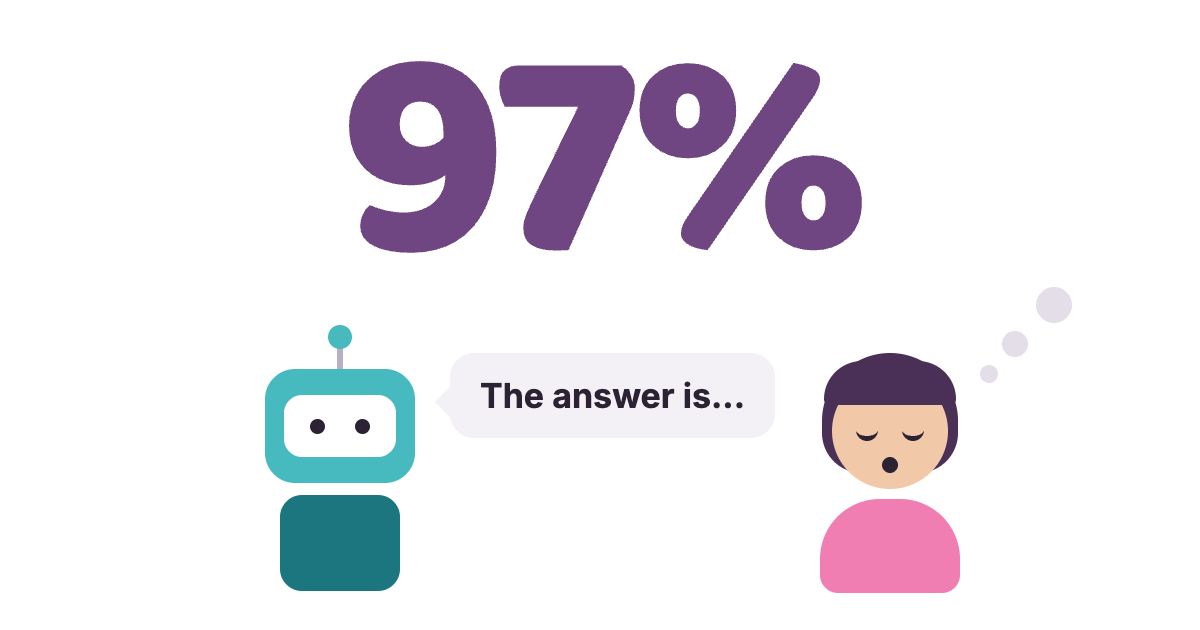
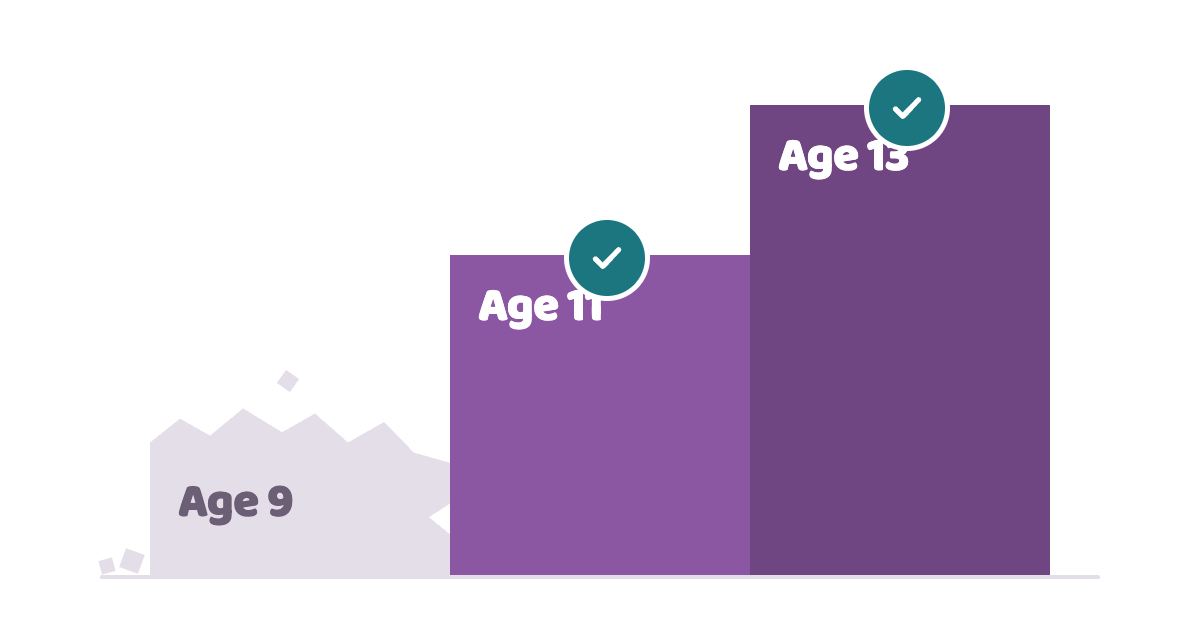
Researchers took sixty reading passages written at the level of the final year of secondary school and asked three language models to simplify them to three lower levels: roughly age 13 to 14, age 11 to 12, and age 9 to 10. Across different prompts and models, that produced 2,315 rewritten texts, each checked against the target reading level. Simplifying down to age 13 to 14 worked. So did age 11 to 12. Age 9 to 10 did not. Not one combination of model and prompt reliably hit that level. The texts came out too hard.
AI models simplified texts well down to about age 11 to 12, and fell short at age 9 to 10.
And it gets worse on the way down
The further the models simplified, the more of the original meaning they lost. So the harder they tried to reach a younger reader, the more they dropped exactly the content that reader was supposed to learn. You end up with two bad options. A text that still reads above the child's level, or a text simple enough to read that no longer says much.
Upside down
Here is the uncomfortable part. The readers who need the deepest simplification are young children, children with dyslexia, and children learning in a second language who are furthest behind their year group. Those are precisely the readers current models serve worst. The technology works best for the children who needed it least, and falls short for the ones who need it most.
Why it happens
Language models are very good at the form of a text: shorter sentences, simpler words, fluent prose. They are much less reliable at controlling what the text actually asks of a reader. And that second thing is what decides whether a child can understand it and learn from it. A text can look simple and still be hard, because the reasoning in it, the assumed background knowledge, or the number of ideas per sentence did not change. Swapping long words for short ones is not the same as writing for a nine-year-old.
What actually fixes it
In the research, the models did much better when people with expertise put structure into the process: expert examples to work from, expert choices about which words and ideas had to stay. That is the real lesson. AI can do a lot of the heavy lifting in making learning material accessible. But the acceptance test cannot be the text reads fine. It has to be a child at this level can actually understand it and learn what it was meant to teach. That check still needs a human who knows children and knows the subject.
Take these with you
- 1AI models simplified texts well down to about age 11 to 12, and fell short at age 9 to 10.
- 2Not one model and prompt combination reliably reached the youngest reading level.
- 3The further they simplified, the more meaning they lost.
- 4The children who need the simplest texts are served worst by current models.
- 5Looking simple is not the same as being understandable. That check still needs a human.