October is Learning Differences Awareness Month. Digital Promise opened theirs with a line from Chaula Gupta, a parent of three, whose son is nonverbal and cognitively disabled: "it is October every month in my household." That is the honest version. For families of kids who learn differently, awareness is not a month. It is every evening at the kitchen table.
What the research keeps coming back to
Digital Promise's Learner Variability Project spotlighted one factor this month: learner mindset and self-efficacy. In plain words, whether a child believes that trying actually changes the outcome. Their advice is simple. Treat mistakes as chances to learn. Give feedback on effort, strategy and process, not on overall performance. And build a sense of belonging, so the child feels that the classroom, or the app, was made with them in mind.
Praise what the child did, not the score they got.
Why the score is the wrong thing to praise
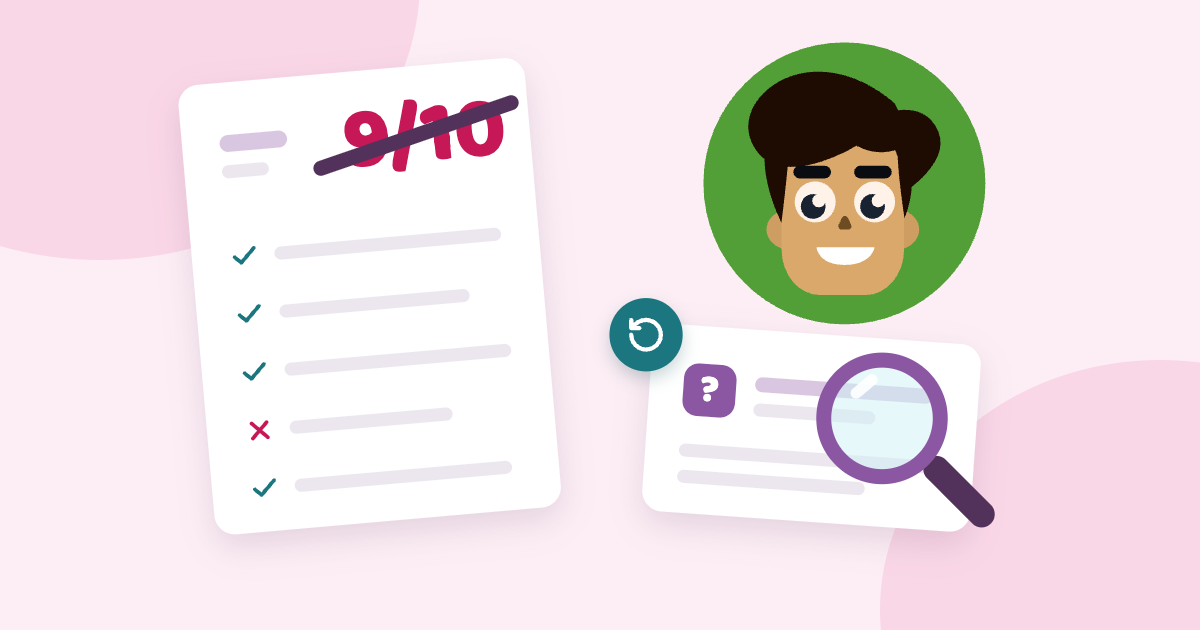
"Nine out of ten" tells a child how they did. It tells them nothing about what to do next time. For a kid who often scores lower than their classmates, it mostly confirms a story they already believe: I am bad at this. Feedback on strategy is different. "You went back and reread the question, that is why you got it" gives the child something they can repeat. It also works the same for every learner, whatever their label.
What that sounds like at home
Swap "well done" for what they actually did. "You tried three ways before you asked for help." "You slowed down on the hard part." When they get it wrong, ask what they tried first, before you show them. And when they are stuck, resist the urge to rescue them in the first ten seconds. Being stuck for a moment is where the learning happens.
What it means for software
Most learning software rewards the score. Stars, streaks, leaderboards. That is fine for the kid who is already winning. For the kid who is not, it is one more scoreboard. We think adapting to how a child works should be what a product does by default, not a setting a parent has to go hunting for. That is the idea behind NeuroLift. It is early, and we say so. But the direction matters more than the feature list.
Awareness is the easy part
A month of awareness is good. What changes a child's year is smaller and more boring: the sentence an adult says after a mistake, every day. Make it about the strategy.
Take these with you
- 1Praise what the child did, not the score they got.
- 2Ask what they tried before you show them the answer.
- 3A moment of being stuck is part of learning, not a failure.
- 4Good learning software adapts by default, it does not hide inclusion behind a toggle.