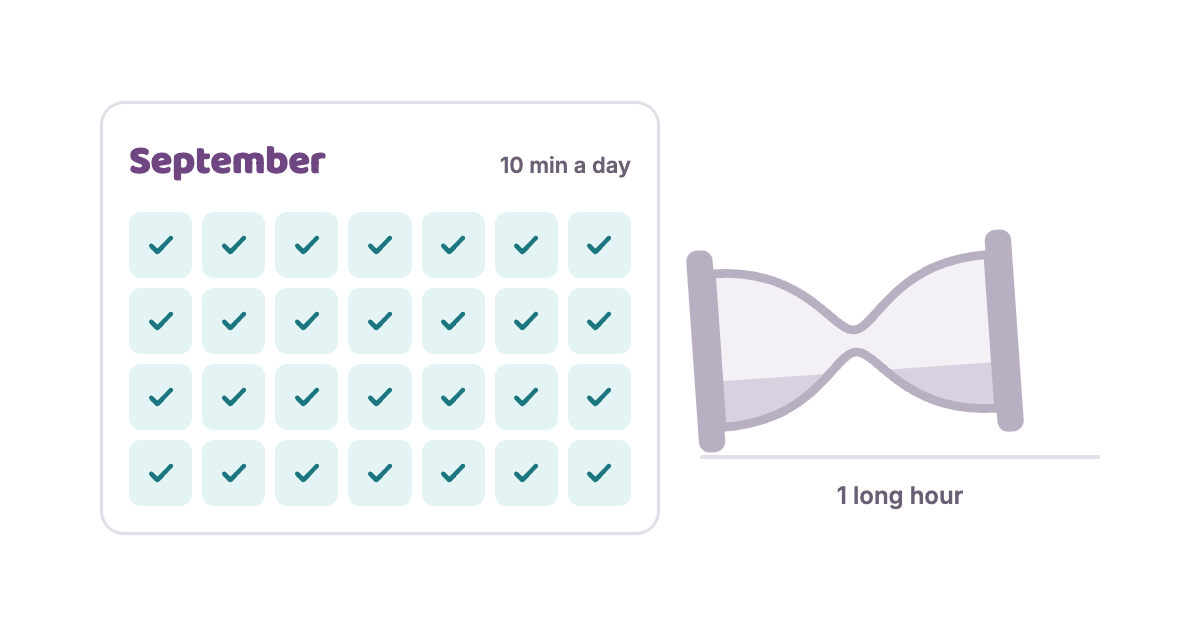
Our advice to families is short and regular: fifteen minutes a day, three to five times a week. It is a nice line. It is also the kind of line that is easy to write and hard to back up, so we went looking for whether it holds. The short version: yes, but not for the reason most people think. It is not that a few minutes is enough. It is that regular and focused beats long and occasional, by a surprising margin.
The study that surprised us
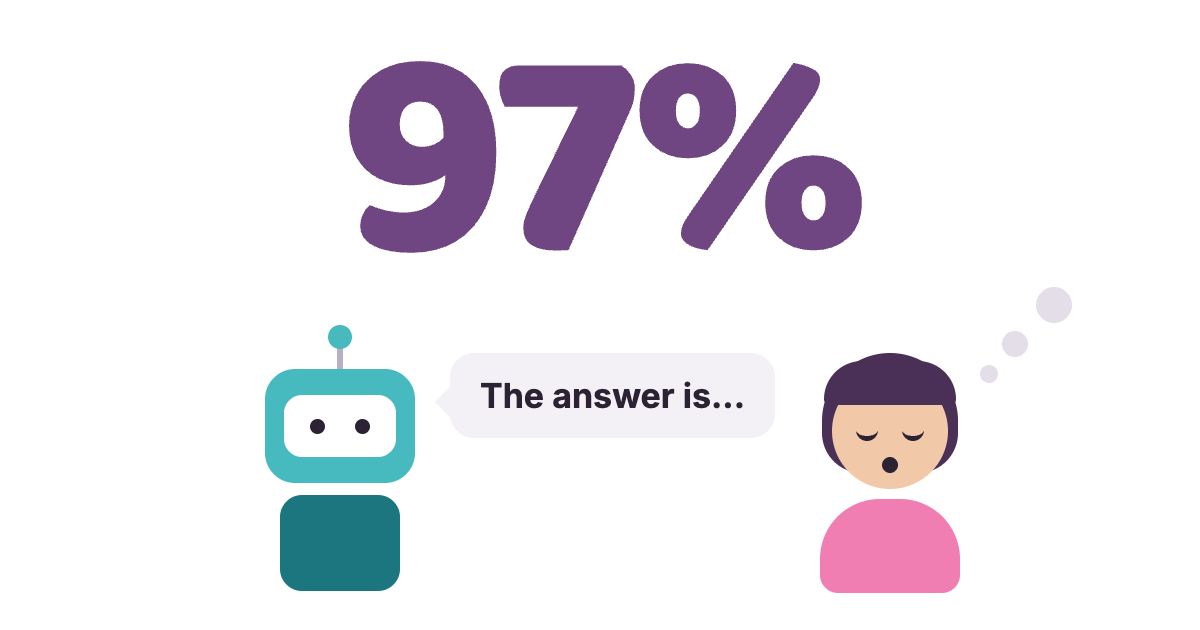
In a 2024 to 2025 study of 107 children with dyslexia in US grades 2 to 5 in a Texas school district, the children who practised consistently, at least ten focused minutes in most weeks, outgrew the less consistent children on their reading assessments, and showed nearly double the growth on the state reading test. Here is the part that matters. Total minutes did not predict the gains. Neither did total weeks. Only regular, focused practice did. A child who did ten good minutes most days did better than a child who did a long session now and then. One honest caveat: this study was correlational, not a randomised trial. It suggests rather than proves. But it points the same way as a lot of older evidence.
Regular, focused practice predicted reading gains. Total minutes did not.
It is not a new idea
Carnegie Mellon started building a reading tutor that listened to children read aloud back in 1990. In a seven-month comparison with 178 children in US grades 1 to 4, the children using it outgained peers who did silent reading, on word identification, comprehension and fluency. The biggest effects were in the youngest group, and the weakest readers often gained the most. Short, regular, guided practice has been quietly outperforming the alternatives for about thirty years. It just never had a catchy ad line.
Too little is its own trap
The flip side is just as important. A Stanford study with 355 primary school children gave them scheduled access to a reading platform. Nearly half never used it at all. The ones who did averaged two to five minutes a week. Adding a human to encourage them raised usage by 71 to 80 percent, and reading scores still did not move. So access alone does nothing, and a few scattered minutes do nothing either. The dose has to be real, and it has to be regular. There is no magic number. A short session of ten to fifteen minutes is roughly the smallest amount that is both meaningful and repeatable.
What this means at home
A fixed time beats whenever you remember. Before dinner, after school, whatever sticks. Stop when the time is up. A session a child finishes and wants more of is worth more than one they are dragged through. Focused means focused. Fifteen minutes with the television on in the background is not fifteen minutes. And do not compensate with a long Sunday session for a missed week. The research is fairly clear that it does not work that way.
Why we build it like this
This is why BrainBite is built around short sessions rather than long ones. It is easier for a child to come back to something that ends, and coming back is the whole game. We would rather a child does fifteen good minutes, three to five times a week, for a year than an hour once and never again.
Take these with you
- 1Regular, focused practice predicted reading gains. Total minutes did not.
- 2Children who practised consistently showed nearly double the growth on the state reading test.
- 3Access alone does nothing. The dose has to be real and regular.
- 4A short session is not magic. It is the smallest amount that is both meaningful and repeatable.
- 5A session a child finishes is worth more than one they are dragged through.