Reed Hastings co-founded Netflix and ran it for 25 years. Before that he taught maths in the Peace Corps, and he has spent around thirty years working on education. In the 500th episode of the EdTech Insiders podcast he laid out where he thinks learning is going: AI tutors as good as human ones within a few years, learning and assessment that are conversational and voice first, and teachers moving towards care and guidance. Some of that we agree with completely. Some of it deserves a closer look.
Why he stopped trying to fix districts
Hastings spent five to ten years working with California school districts before concluding the problem was structural. One number he gives explains a lot: the average superintendent in a large US district lasts about three years. Hard to run a ten year change on a three year tenure. So he moved to charter schools, and now to AI tutoring.
A chat interface is not a tutor. Asking questions back is what makes it one.
The part he gets right
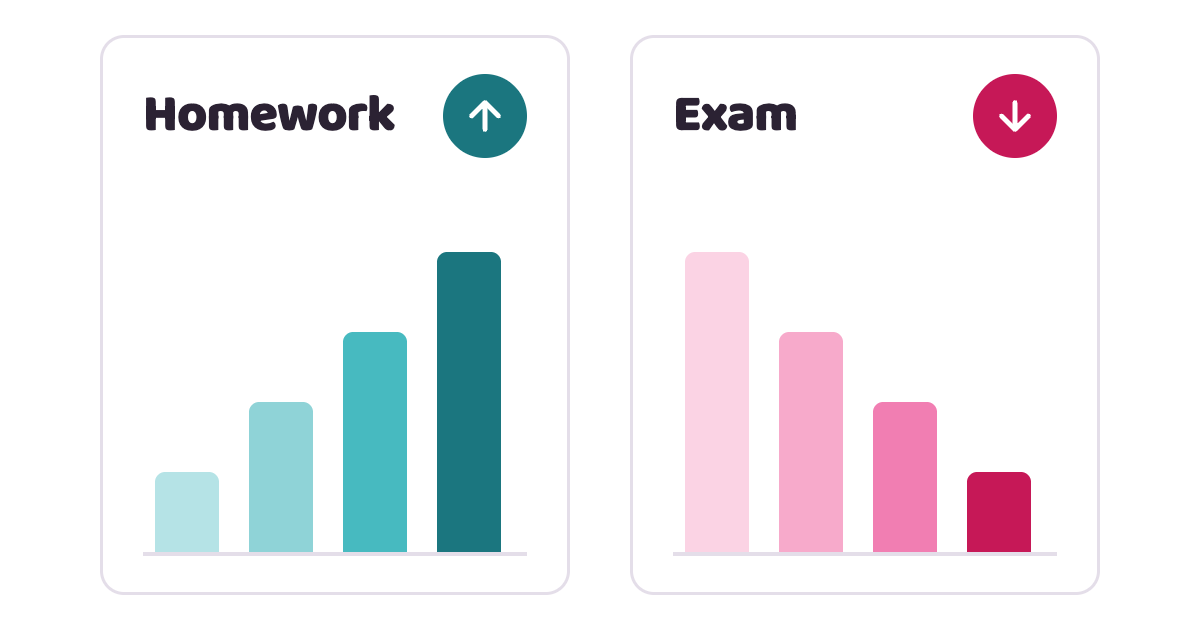
His sharpest line is a warning, not a promise: "if you just take a chat interface and give it to the kids, that becomes ChatGPT." A chatbot that answers questions is not a tutor. We wrote about this before. General chatbots can make homework look better and test scores worse. His other point is just as useful: "it is the conversation after the fact that locks it in." Learning sticks when someone asks you to explain what you just did. That is a conversation, and AI can finally hold one.
The part that is a forecast
Hastings says AI is "roughly getting twice as good every year", expects humanoid avatar tutors within three years, and about ten years before that reaches schools. Maybe. But these are predictions, not results. He is funding a modern version of Bloom's famous 1984 tutoring study, with human one to one tutoring in maths and reading for a randomised group of kids over a full school year. That study is exactly the kind of evidence the field needs. It has not reported yet.
The numbers worth remembering
The US spends about 15,000 dollars per child per year on schooling. Rwanda spends about 100, Kenya about 300, with classes of seventy pupils. Hastings is testing AI tutors on cheap tablets in East Africa. That is where a good AI tutor would change the most, and also where a bad one would do the most damage, because there is no fallback.
Where we land
We build for kids aged 6 to 13, and we agree that the future of learning looks more like a conversation than a worksheet. A mentor that asks the follow up question instead of moving on. But "as good as a human tutor" has to be shown, not announced. Until the evidence is in, the job of a tool is to make the child think, and to leave the caring to the adults.
Take these with you
- 1A chat interface is not a tutor. Asking questions back is what makes it one.
- 2Explaining what you just did is what makes learning stick.
- 3Timelines for AI tutors are forecasts. Look for the study, not the prediction.
- 4The places that could gain most from AI tutors are also the places with no fallback if they fail.