Why this works
Curiosity is the best teacher
Why do bats sleep upside down? How does a fish breathe? Kids are full of questions about nature, but biology often gets squeezed out of the school day. A shame, because that curiosity is exactly what makes learning easy.
BrainBite picks up those questions with short lessons about animals, plants and habitats. Every theme is built up in small steps with cheerful illustrations and instant explanations. Going well? Then it gets more challenging. Still tricky? Then it comes back later in a different form — until it sticks.
How learning biology works with BrainBite
No memorizing from a textbook — lessons that move with your child.
Adaptive level
A seven-year-old learns what a mammal is; a twelve-year-old learns how food chains work. Lessons grow with your child's age and level.
Professor BrainBite helps
A question about gills, arctic foxes or photosynthesis? The professor explains it in plain language, with examples. As often as needed.
Calm learning
Focus Mode removes everything that distracts: one exercise at a time, at your child's own pace. Great for every kid, especially with ADHD or dyslexia.
Try it yourself: the mini nature quiz
Three questions, instant explanations. That's what learning in BrainBite feels like. Try it together with your child.
Question 1 of 3
Which animal is a mammal?
Themes your child will explore
Every course is made of short modules with their own illustrations, quizzes and fun facts.
Mammals
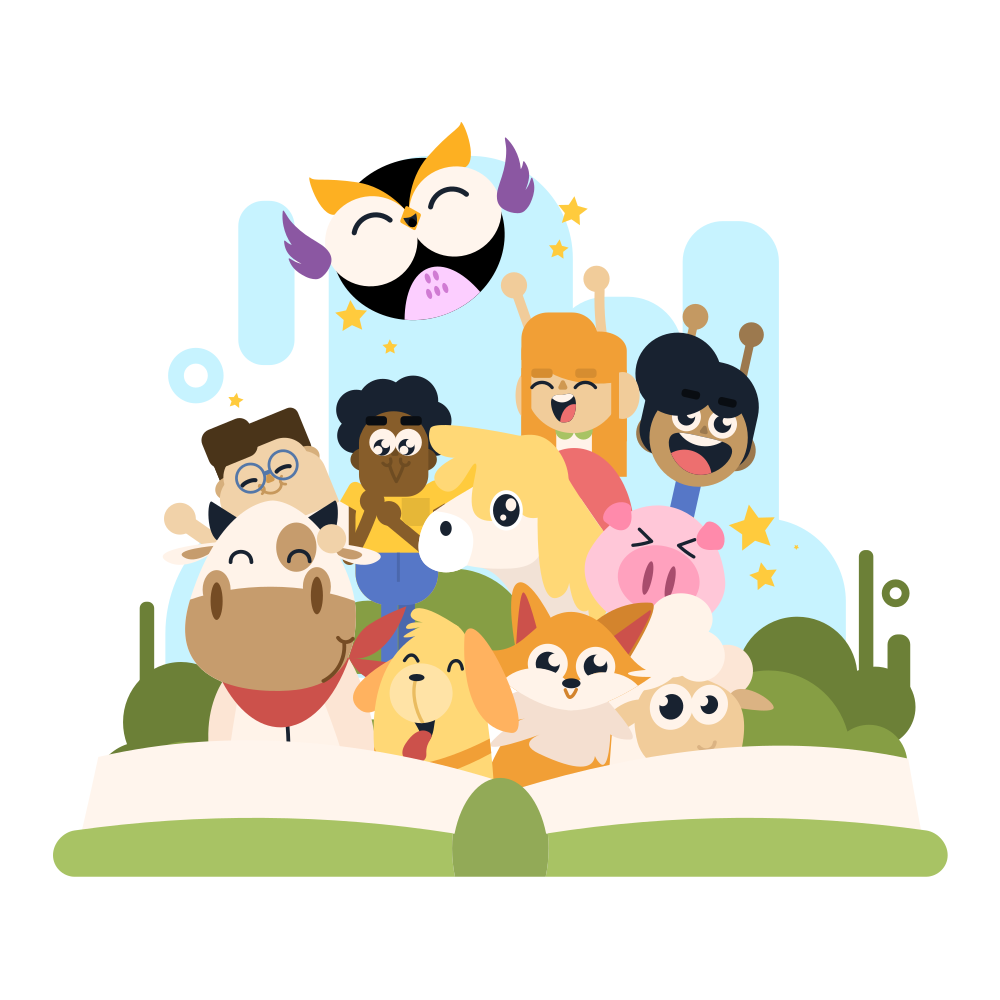
From mouse to whale: what makes a mammal a mammal, and how do they care for their young?
Birds & reptiles
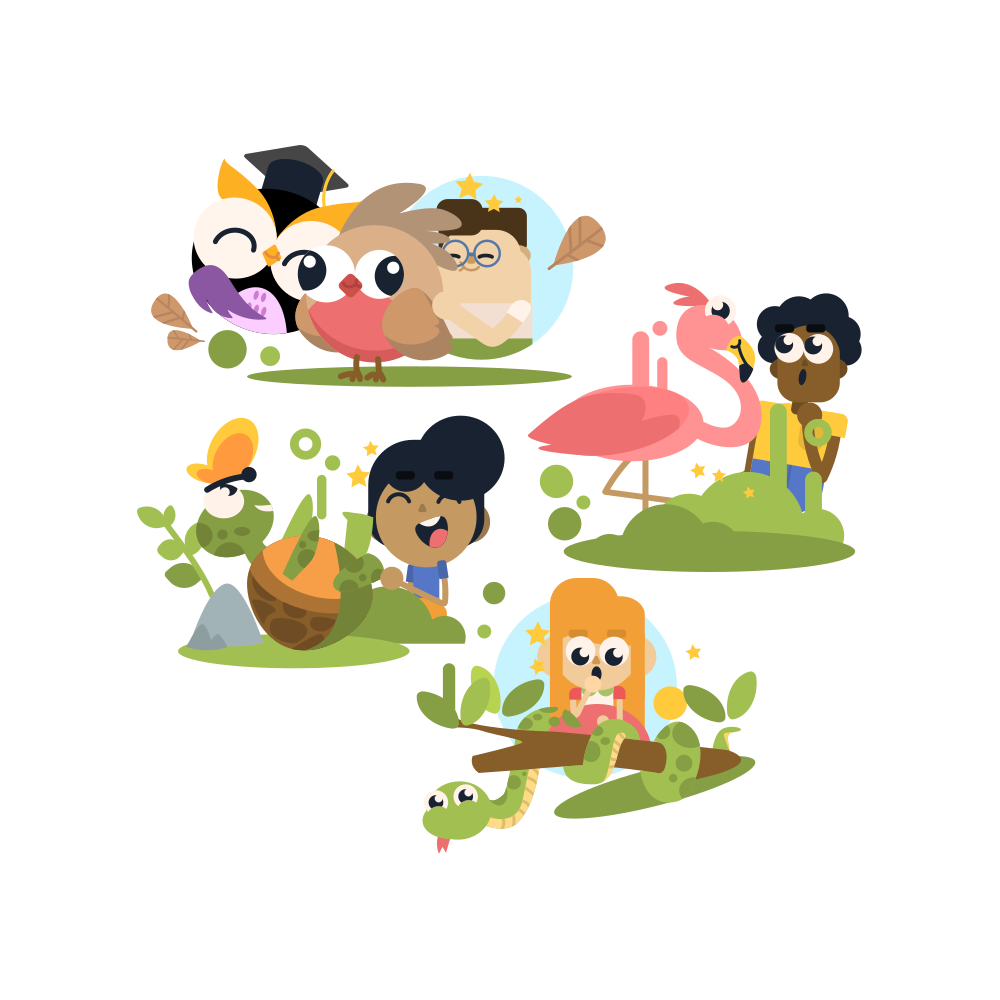
Feathers, scales and eggs: two very different animal groups that share more than you'd think.
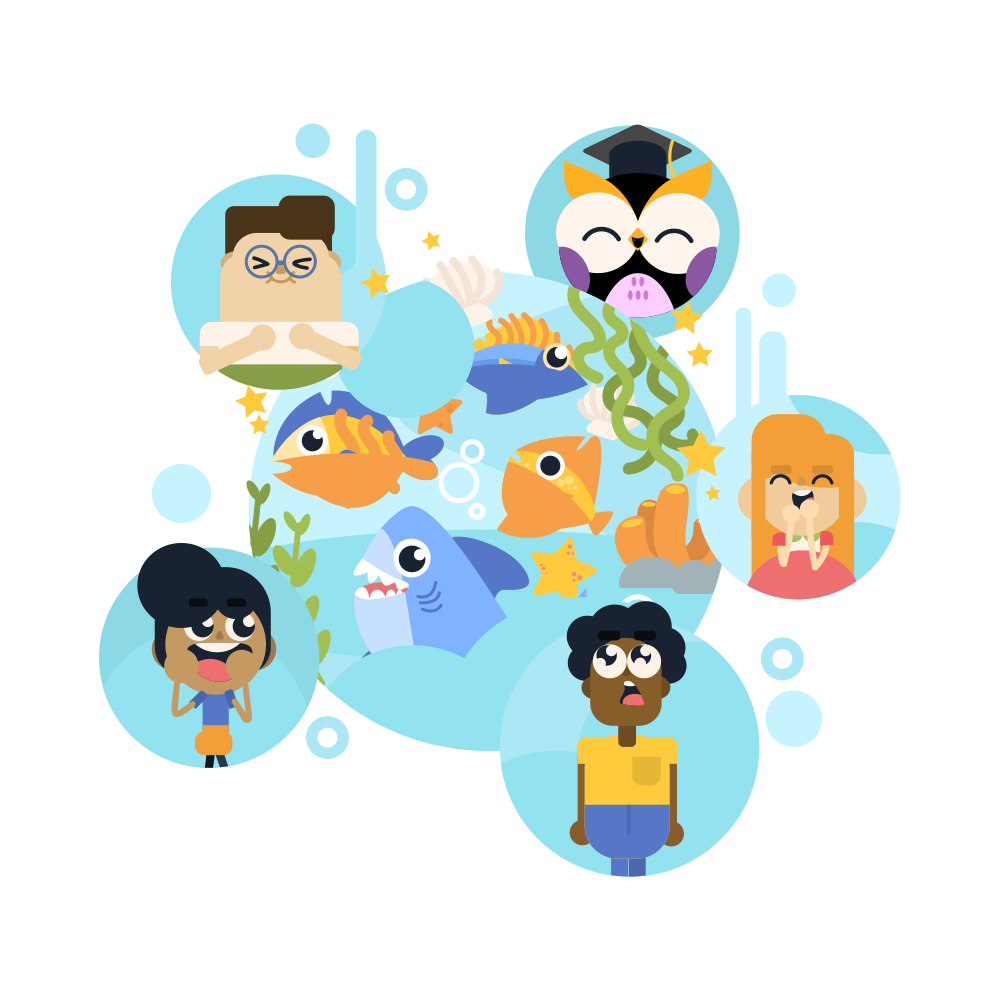
Fish & sharks
How do fish breathe underwater? And why is a shark no ordinary fish? Dive into the coral reef.
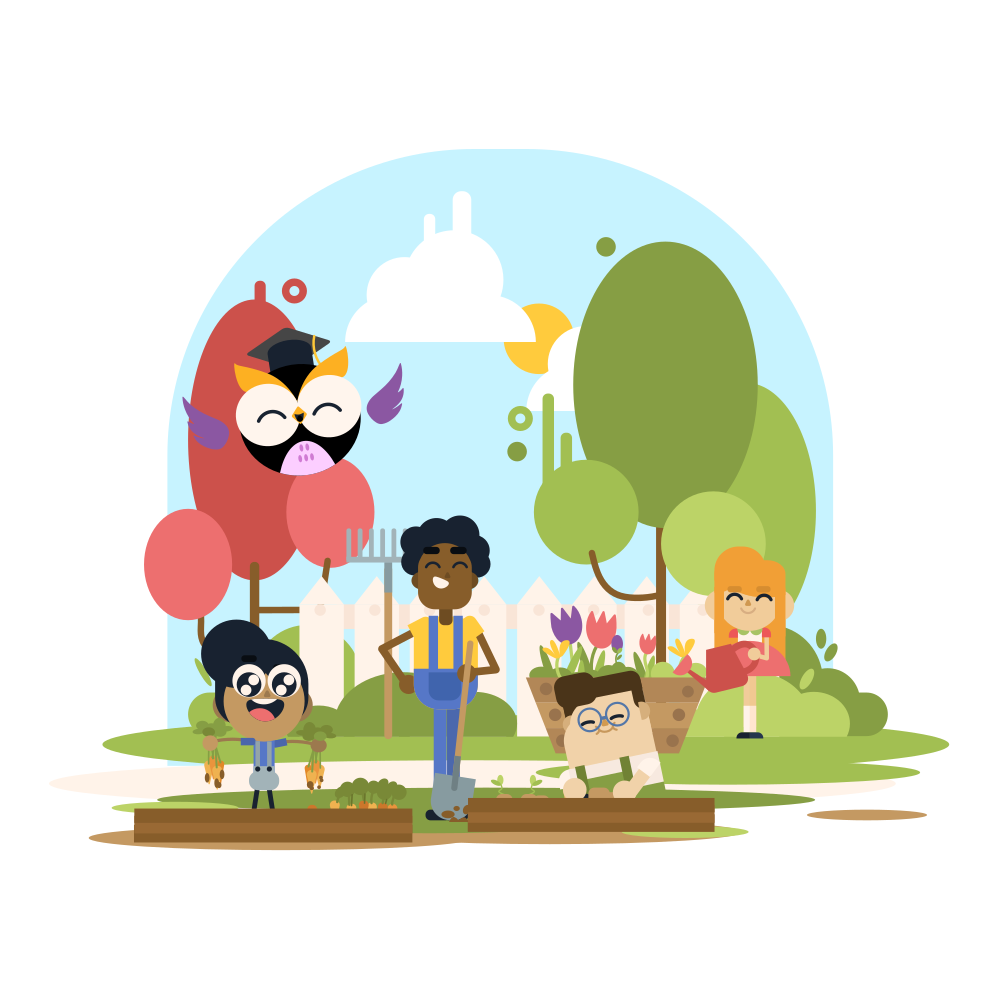
Trees & plants
From seed to tree: how plants grow, bloom and make their own food from sunlight.
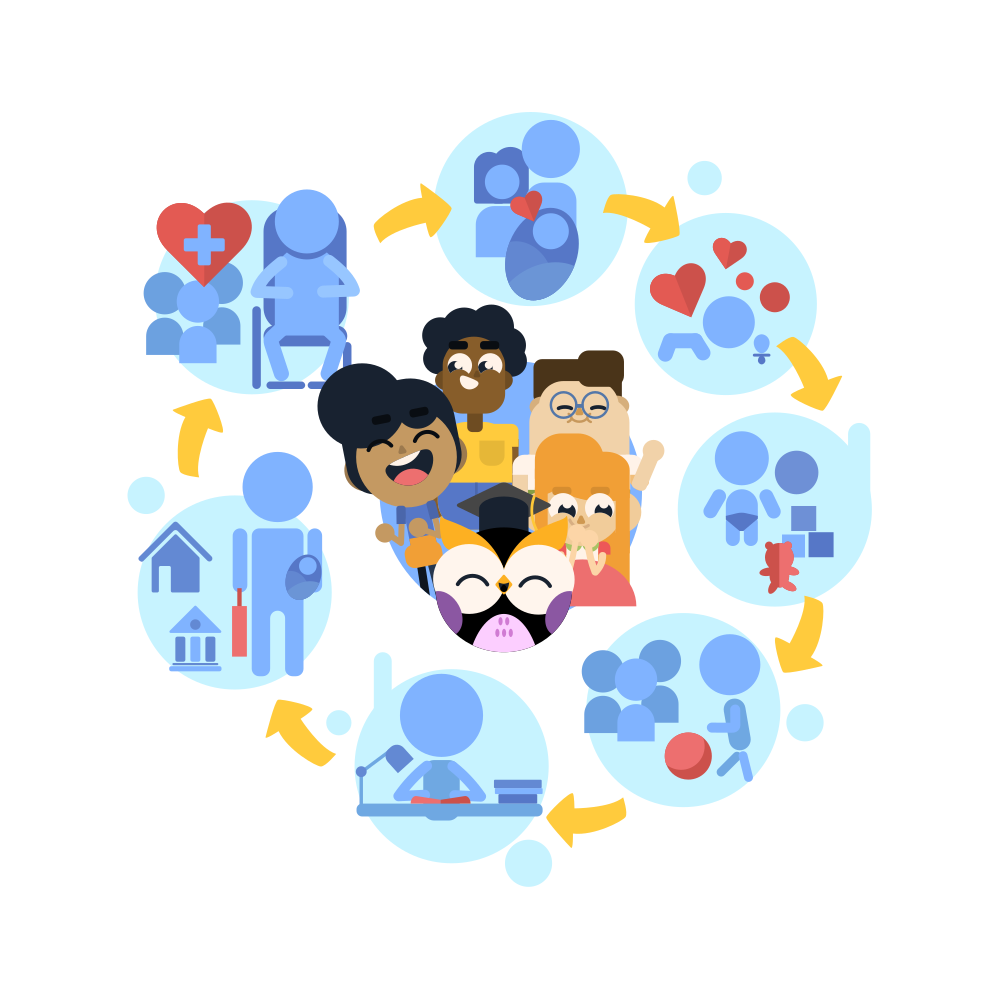
The life cycle
Being born, growing up, growing old: the circle of life, explained at kid height.
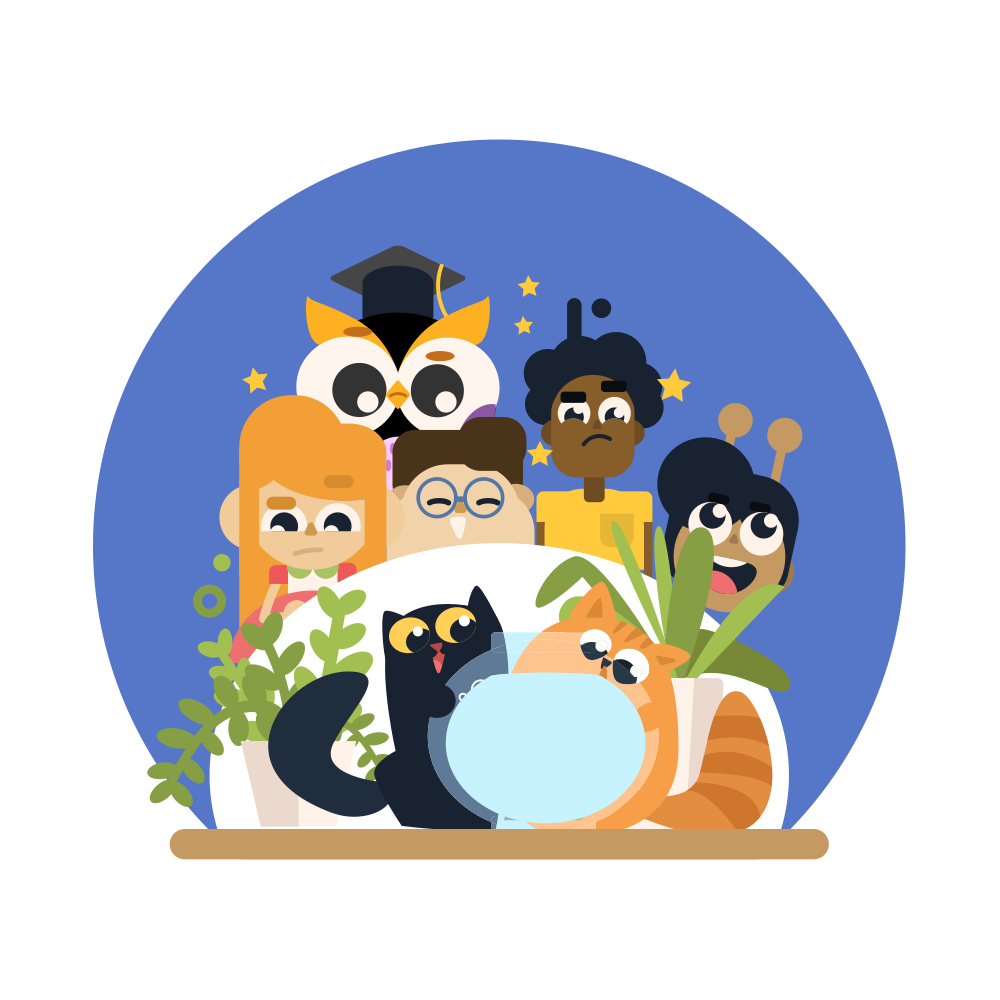
Predator & prey
Hunting, hiding and camouflage: how animals outsmart each other in the food chain.
Also practice: math · spelling · reading · science · space · history · chemistry · physics · geography
Habitats: why doesn't a polar bear live in the jungle?
Every animal is built for its own place: a thick coat for the cold, big ears for the heat. In the Habitats course your child discovers how animals adapt to desert, polar regions, ocean and forest — and why protecting those places matters.
Get started
Did you know…?
Four fun facts from the lessons. Perfect to share at the dinner table.
An octopus has three hearts
Two pump blood to the gills, one to the rest of the body. And its blood is blue instead of red.
Trees ‘talk’ to each other
Underground, trees are connected through fungal threads. They share food along them and warn each other of danger.
A hummingbird flies backwards
The only bird in the world that can. Its wings beat fifty times a second — that's why you hear it hum.
A frog drinks through its skin
Frogs don't drink with their mouths: water comes in through the skin. That's why they need to stay moist.
Questions about learning biology
What parents ask us most. Short answers, no fluff.
The biology courses are for kids aged 6 to 13. BrainBite mainly looks at what your child can already do — a young child learns what a mammal is, an older child how food chains work.
Ten to fifteen minutes is enough. Short daily learning moments work better than one long session a week — exactly what the lessons are built around.
Among others: living things, mammals, birds and reptiles, fish and sharks, amphibians, trees and plants, habitats, the life cycle, and predator and prey. Every theme consists of short modules with their own illustrations.
Yes. The themes line up with elementary science and nature topics. And since biology often gets little time at school, this is a lovely way to go deeper at home.
No. Every module starts with an explanation in plain language, with cheerful illustrations. Then come questions that are explained right away. Professor BrainBite also answers your child's own questions.
Yes, your first 7 days are free. Not a fit? Cancel within those 7 days and pay nothing. 7-day free trial. 14-day money-back guarantee.
Ready to take a bite?
Start exploring biology today. Ten minutes a day, at your child's level.
Try 7 days freeCancel anytime — pay nothing within the first 7 days.
7-day free trial · 14-day money-back guarantee