A teacher knows exactly where their class gets stuck. Which example lands, which word confuses, which step everyone skips. That knowledge is worth more than any generic video from a publisher. Yet very few teachers make their own lesson videos. The reason is not a lack of ideas. It is everything between the idea and the finished video.
The hidden cost of a five-minute video
A short lesson video sounds small. In practice it means writing a script, finding or drawing visuals, recording a voice over, editing, fixing the bit that does not sync, and exporting it in a format the school platform accepts. Then a colleague spots a mistake in minute three and half of it starts again. That is an evening, often several, for one video.
Teachers have the ideas. Production time is what stops them.
Skills nobody was trained for
Teacher training covers pedagogy, not video editing. So the teachers who do make videos are usually the ones who happen to enjoy the software. Everyone else uses whatever is available online, even when it does not quite fit their lesson, their level or their language.
What AI changes
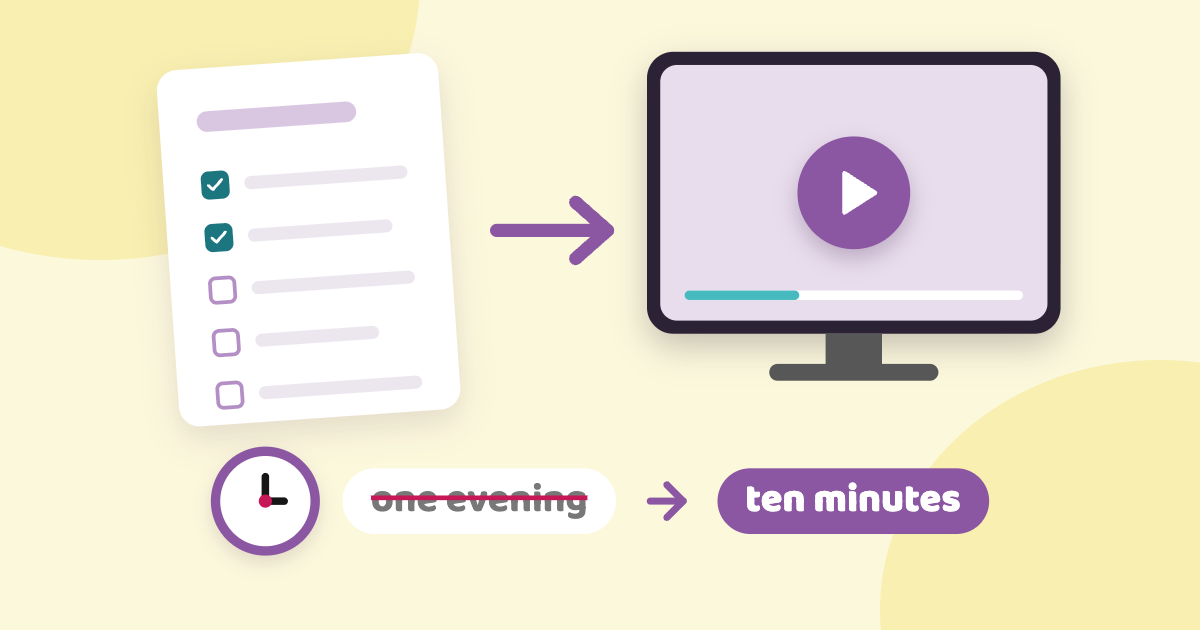
The hard part used to be the production. That is the part AI is now good at. A teacher can start with what they already have, a lesson plan, a PDF, a chapter, and get a first storyboard with narration in minutes. Then they do what they are actually good at: correcting it, cutting it, making it fit their class. That is the idea behind BrainBite Video. You edit one scene without redoing the whole thing, and export it to the format you use.
What AI does not change
It will not make a bad lesson good. If the source material is thin, the video is thin. The teacher's knowledge of the class is still the most valuable input. AI removes the editing hours between having an idea and being able to show it. It does not do the thinking, and it should not pretend to.
Why it matters
When making a video takes ten minutes instead of an evening, teachers can make one for the class they actually have. In their language, at their level, about the thing their pupils got wrong yesterday. That is where video is most useful, and it is the kind publishers can never make.
Take these with you
- 1Teachers have the ideas. Production time is what stops them.
- 2AI is now good at the production, not at the teaching.
- 3Start with material you already have and edit, rather than starting from a blank screen.
- 4A thin lesson still makes a thin video.